First: The Questions to Ask Yourself
Before investing a lump sum, answer three questions. When do you need the money? If within 3 years, investing is risky — keep it in a high-interest savings account. What is it for? A house deposit, retirement, or general wealth-building each suggest different approaches. How would you feel if it dropped 30%? If the answer is panic-sell, you need a more cautious allocation.
"Before investing a lump sum, answer three questions"
Clear High-Interest Debt First
Paying off a credit card charging 20% APR is the equivalent of a guaranteed 20% return — better than almost any investment. If you have debt above 6–7% interest, pay it off before investing. An exception is mortgage debt, where the rate is lower and long-term investing may outperform.
Use the Right Account Wrapper
Where you hold the investment matters as much as what you invest in. Stocks and Shares ISA: up to £20,000/year, all growth completely tax-free, flexible access. SIPP: up to £60,000/year with tax relief on contributions — basic rate taxpayers get a 25% top-up immediately. If your ISA allowance is unused, always use it first. If you are a higher rate taxpayer with a long time horizon, split between ISA and SIPP.
Choosing a Platform
Platform cost matters enormously over decades. For a lump sum of £10,000, flat-fee platforms become better value above roughly £50,000 — so percentage-fee platforms are fine here. Vanguard (0.15%/year, limited to Vanguard funds) is the cheapest for simple index investing. InvestEngine (0% platform fee for ETFs) is excellent value. Hargreaves Lansdown and AJ Bell offer wider choice at higher cost. Always check the fund charges on top of the platform fee.
"Vanguard (0.15%/year, limited to Vanguard funds) is the cheapest for simple index investing"
What to Actually Invest In
For most people with a 5+ year horizon, a single global index fund is the right answer. A FTSE All-World or MSCI World fund gives instant exposure to thousands of companies across dozens of countries. The Vanguard FTSE All-World ETF (VWRP) charges 0.22%/year. The iShares Core MSCI World ETF charges 0.20%/year. Both have outperformed the vast majority of active fund managers over 10-year periods. Resist the urge to pick individual stocks.
Lump Sum vs Drip-Feeding
Research consistently shows that investing a lump sum immediately outperforms spreading it over time (pound-cost averaging) in roughly two thirds of historical scenarios — because markets tend to go up over time. However, drip-feeding over 6–12 months reduces the risk of investing at a short-term peak and is psychologically easier. If market timing anxiety would cause you to hold cash indefinitely, split it: invest half now and the rest monthly over 6 months.
How to Think About Risk
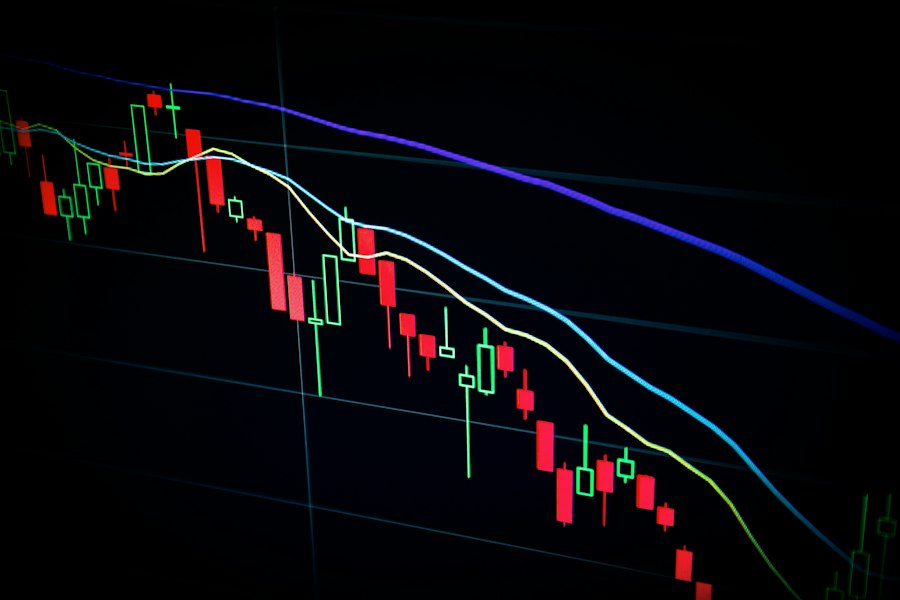
A global equity fund will likely fall 30–50% at some point. This is normal and has always recovered historically. The risk is not the fall — it is panic-selling at the bottom. The best protection against volatility is time. Over any 10-year period in history, a diversified global fund has been positive. Over 20 years, there are almost no negative outcomes. Your job is to stay invested.
"A global equity fund will likely fall 30–50% at some point"
Review and Rebalance Annually
Once invested, do not check daily — it encourages bad decisions. Review once or twice a year. If you have multiple funds and one has grown to dominate your portfolio, rebalance back to your target allocation by buying more of the laggard. Add to your investment regularly if you can — a £10,000 lump sum plus £200/month over 20 years at 7% growth becomes approximately £150,000.
Never invest money you might need within 5 years in the stock market. Markets can fall 30-50% and take years to recover. The worst outcome is needing to sell during a downturn. Keep your emergency fund in cash before investing.
Finance Motion — General guidance only.
Not regulated financial advice.