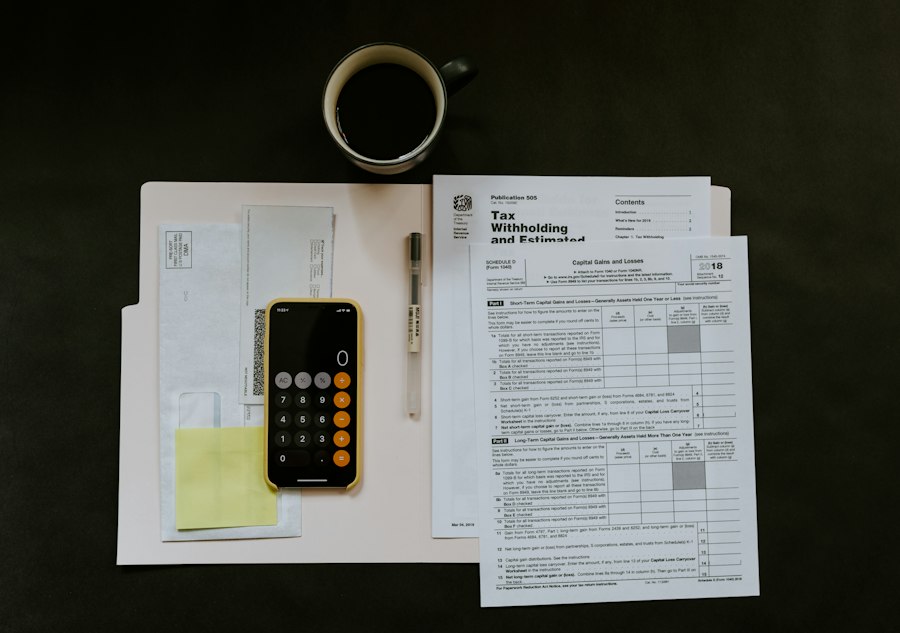
Why People Overpay Income Tax
The most common reasons for income tax overpayment are: emergency tax codes — when you start a new job and HMRC does not yet have your details, your employer puts you on a temporary code that often taxes you at a higher rate than necessary; multiple jobs — if you have more than one employer, your allowances may not be correctly distributed; leaving work mid-year — if you stop work before the tax year ends, you may have been taxed assuming a full year's income; pension withdrawals — flexible pension withdrawals are often taxed at an emergency rate initially; claiming refundable reliefs — marriage allowance, uniform allowance, professional subscriptions, and working from home relief are all refundable if not claimed.
How to Check If You Are Owed a Refund
The quickest way is via your HMRC Personal Tax Account at gov.uk/personal-tax-account. Log in with your Government Gateway ID (or create one using your National Insurance number, passport or driving licence, and a recent payslip). The account shows your income tax calculation for the current and recent tax years, and will flag any overpayment. For years where you have left employment, HMRC may automatically issue a P800 tax calculation by post. If you receive a P800 showing a refund is owed, you can claim it online within 45 days and receive it in your bank within 5 days.
The P800 — What It Is and What to Do
A P800 is a tax calculation that HMRC sends at the end of the tax year (usually between June and November) if their records suggest you have overpaid or underpaid. If your P800 says you are owed a refund, you can claim it online via your Personal Tax Account — log in and follow the instructions. The money arrives in your bank account within 5 working days. If you do not claim online within 45 days, HMRC will send a cheque automatically. If your P800 says you owe tax, this can usually be collected via a tax code adjustment over the following year, or you can pay it directly online. If you believe your P800 is wrong, contact HMRC.
Claiming Tax Back on Work Expenses
If you have paid for work-related expenses out of your own pocket and your employer has not reimbursed you, you may be able to claim tax relief. Common claims include: professional subscriptions and union fees (your employer must require the membership); uniforms and specialist work clothing (not ordinary clothing, even if required); tools and equipment bought for work; mileage for business travel in your own car above what your employer pays. For claims up to £2,500, you use the P87 form online. For larger amounts or if you are self-employed, use Self Assessment. You can claim for the current year and the previous four tax years.
"For claims up to £2,500, you use the P87 form online"
Marriage Allowance Refunds
If you are eligible for Marriage Allowance (one partner earns below £12,570, the other is a basic rate taxpayer) and have not yet claimed it, you can backdate the claim up to four tax years. The maximum backdated refund is: 2021/22: £252, 2022/23: £252, 2023/24: £252, 2024/25: £252 — a potential lump sum of £1,008 in addition to the current year saving. Claim via gov.uk/marriage-allowance. The refund is paid by cheque or bank transfer and the saving continues automatically in future years via an adjusted tax code.
Pension and Investment Tax Refunds
Higher rate taxpayers who contribute to a personal pension (not via salary sacrifice) automatically receive 20% basic rate relief added to their pension. But the additional 20% relief (for higher rate taxpayers) or 25% (for additional rate taxpayers) must be claimed separately through Self Assessment. If you have not filed a Self Assessment return, you can still claim the extra relief by contacting HMRC — they can go back four years. Similarly, if you have disposed of assets at a loss and previously paid CGT, you may be able to offset losses against prior gains and claim a refund.
How Long Refunds Take
Online claims via your Personal Tax Account are typically processed and paid within 5 working days. Claims made by post take significantly longer — up to 12 weeks in busy periods. The fastest route is always the online Personal Tax Account. If you are self-employed and claiming via Self Assessment, refunds from a completed tax return take 5 working days if requested online, or up to 5 weeks if by post. HMRC does not pay interest on overpaid tax unless there has been an official error on their part.
"Online claims via your Personal Tax Account are typically processed and paid within 5 working days"
Tax refund claims companies charge fees of 25–48% of your refund for a service you can do yourself for free in under 10 minutes. HMRC refunds are processed directly to your bank account — there is never a legitimate reason to pay someone else to claim on your behalf. If you have already signed an authorisation for a claims company, you can withdraw it by contacting HMRC directly. Also: some websites impersonate HMRC to steal refunds or personal information. Always access your Personal Tax Account via gov.uk directly.
Finance Motion — General guidance only.
Not regulated financial advice.